Understanding Sake Polishing Ratios – Discover the Difference at Rin-Tei
When exploring Japanese sake, one of the first terms you'll encounter is "seimai buai", or the rice polishing ratio. This number tells you how much of each grain of rice remains after polishing. For example, a polishing ratio of 50% means that half of the rice grain has been polished away, leaving only the pure starchy center.
In general, the lower the polishing ratio, the more delicate and refined the sake becomes. This is why sake is categorized by polishing ratio. "Junmai Daiginjo" is made with rice polished to 50% or less, offering elegant aromas and a smooth, clean finish. "Junmai Ginjo" uses rice polished to 60% or less, creating a balance of fruitiness and rich rice flavor. "Junmai" has no polishing requirement beyond removing the outer layers and often showcases fuller body, deeper umami, and a more traditional sake character.
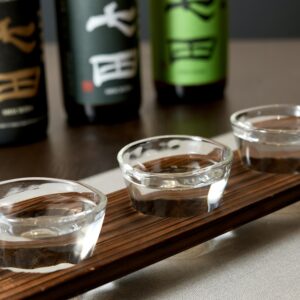
The best way to understand these differences isn't by reading about them—it's by tasting them side by side. At Rin-Tei, we offer two unique Sake Flights designed to help guests experience these subtle differences.
Our "DASSAI Flight" features three Junmai Daiginjo sakes with polishing ratios of 23%, 39%, and 45%. Since they all belong to the same premium category, guests can appreciate how polishing ratio alone influences aroma, texture, sweetness, and finish.
Our "SHICHIDA Flight" offers a different journey. Produced by the same brewery, it includes Junmai Daiginjo, Junmai Ginjo, and Junmai. This flight lets you discover how brewing style and polishing standards create completely different expressions while maintaining the brewery's unique character.
Whether you're new to sake or already a fan, these tasting flights offer an enjoyable way to deepen your appreciation of Japan's national drink. At Rin-Tei, every glass tells a different story.