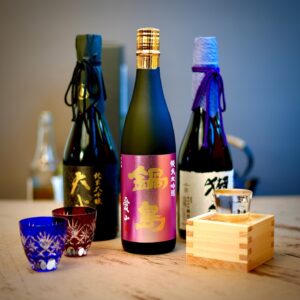
Masu : Craftsmanship Meets Sake at Rin-Tei
At Rin-Tei, we serve sake in a traditional wooden masu cup using the generous “mori-koboshi” style—where the sake is poured until it gently overflows into a saucer below.
This presentation is more than a visual flourish. At Rin-Tei, it is our way of sharing Japanese history, hospitality, and craftsmanship with every guest.
Originally, the masu was a square wooden box used in Japan during the feudal era as a measuring tool for rice.
At that time, rice functioned as currency and symbolized wealth and prosperity.
Because rice and sake are deeply connected in Japanese culture, the masu gradually became associated with celebratory drinking.
Over time, it evolved from a practical measuring device into a vessel for serving sake at special occasions, symbolizing prosperity and good fortune.
May your happiness overflow as well.
The word “masu” also carries a pleasant linguistic meaning. In Japanese, the verb “masu” can imply growth or increase.
Serving sake in a masu, especially in the overflowing mori-koboshi style, represents abundance and generosity.
When sake spills over the rim, it is a gesture that says, “May your happiness overflow as well.”
There is also a subtle change in flavor. Traditional masu are often made from Japanese cypress, such as hinoki.
Its gentle woody aroma enhances the fragrance of the sake, adding a soft, fresh note reminiscent of a forest.
This delicate interaction between wood and sake creates a unique tasting experience that cannot be achieved with glass alone.
At Rin-Tei, every detail carries meaning.
At Rin-Tei, we believe that every detail matters.
By serving sake in a wooden masu with the mori-koboshi style connects the past and present, offering not just a drink, but a story in every pour.